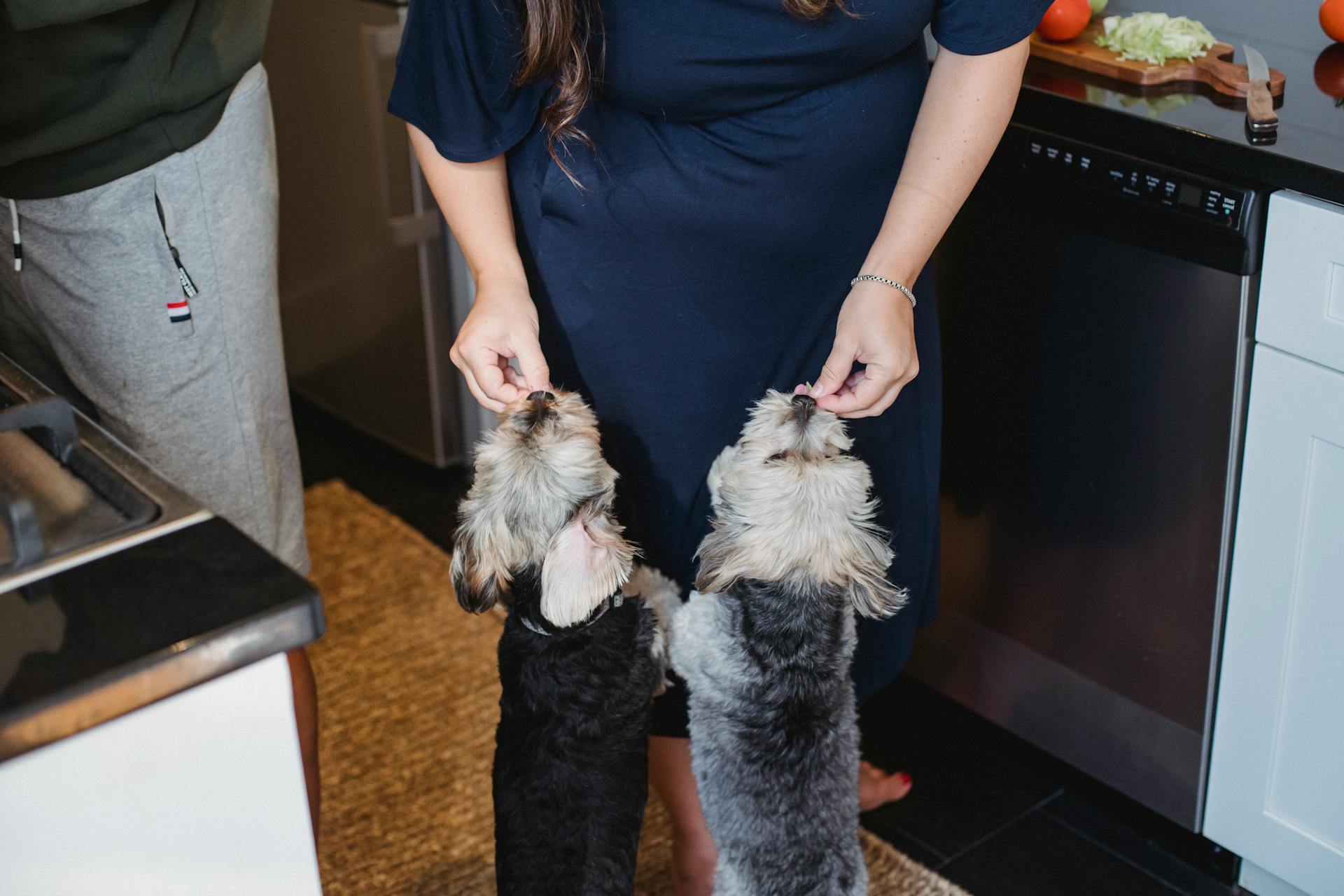
Treat time is more than a tasty break—it’s how we celebrate small wins, train big skills, and bond with our best friends. In this demo article, you’ll see how a real post might look on your site, complete with product highlights, quick tips, and friendly FAQs.
Why Treats Matter
- Positive reinforcement: Rewards help dogs connect “good behavior” with “great snacks.”
- Relationship building: A snack shared is trust earned.
- Enrichment: Chewing textures and new flavors keep curious minds engaged.
What to Look For in a Treat
- Clear ingredients: Look for recognizable proteins up front.
- Appropriate size and texture: Small for training, larger for mindful chewing.
- Calorie awareness: Snacks should fit your dog’s daily intake.
- Transparency: Guaranteed analysis and feeding guidance are a plus.
Product Spotlight: Reward Treat – Made with Chicken
- Shape and size: Heart-shaped, 5 g chews; 60 treats per pouch
- Flavor profile: Chicken-forward with a soft, chewy bite
- Nutrition snapshot: 26% protein, 8% fat, 15 kcal per chew
- Ingredient highlights: Chicken meal, chicken hydrolysate, and chicken liver digest
- Why we love it: Tail-wag taste, training-friendly size, and an easy daily guide
Feeding guide (provide fresh water):
- Under 20 lbs: 1 chew daily
- 20–60 lbs: 2 chews daily
- 60–100 lbs: 3 chews daily
- 100+ lbs: 4 chews daily
How to Use Treats in Training
- Mark the moment: Say “Yes!” or click the instant your dog does the right thing.
- Treat fast: Deliver a small chew within 1–2 seconds to connect action and reward.
- Keep sessions short: 3–5 minutes to keep focus sharp.
- Mix it up: Rotate flavors and textures to keep motivation high.
- Taper treats: Fade to intermittent rewards as behaviors become reliable.
Smart Snacking Tips
- Count the calories: Balance treats within your dog’s daily needs.
- Break it down: Split larger chews into training-sized bits.
- Store smart: Reseal pouches; keep in a cool, dry place.
- Fresh water always: Hydration pairs with every reward.